
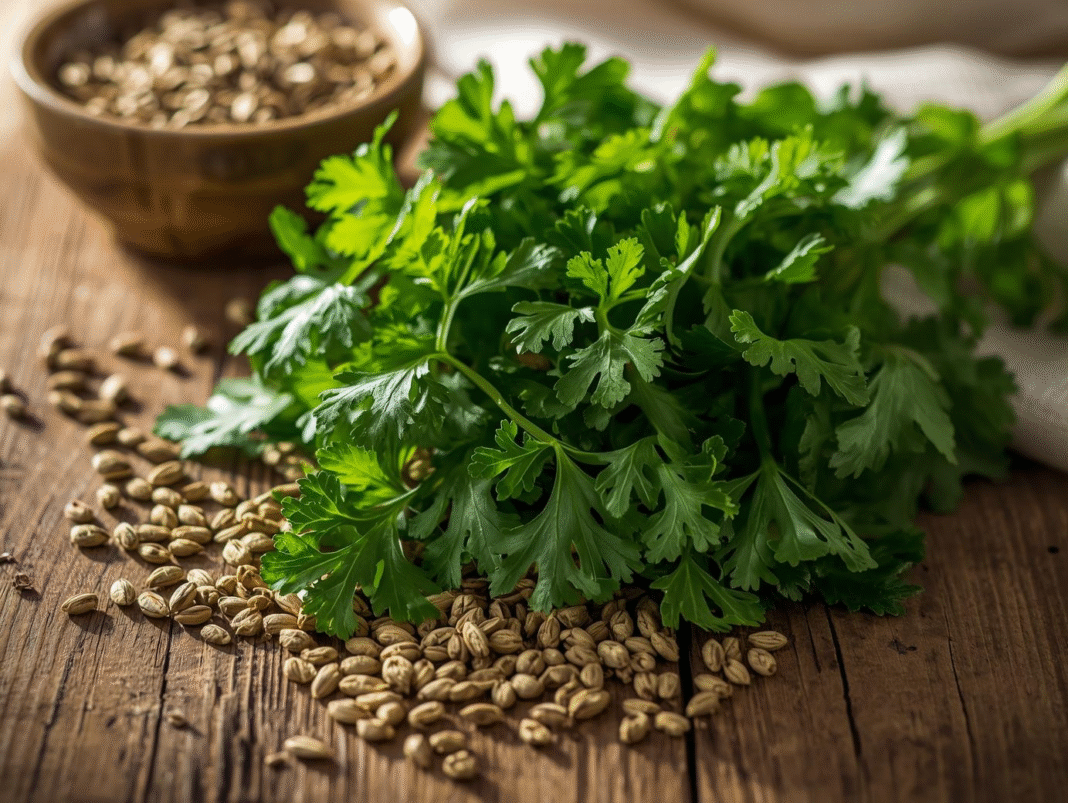
Koriandri, commonly known as coriander or dhania, is one of the most loved herbs used in kitchens around the world. Its fresh leaves, aromatic seeds, and warm flavour make it essential in cooking, while its natural healing properties make it an important part of traditional medicine. Whether you call it Koriandri, coriander, cilantro, or dhania, this simple herb carries a long history, strong nutritional value, and countless benefits for daily life.
In this detailed guide, you will learn what Koriandri is, how it helps your health, how to use it in cooking, and how much you should include in your daily diet. This article is written in easy wording to help every reader understand the importance of this powerful herb.
What Is Koriandri? A Simple Introduction
Koriandri comes from the plant Coriandrum sativum. It has two main parts used in food: the fresh green leaves, known as cilantro, and the dried seeds, known as coriander seeds or dhaania seeds. Both parts have different flavours and different uses in cooking.
The fresh leaves taste bright, citrusy, and slightly sharp. They are used to garnish curries, salads, soups, rice, and chutneys. On the other hand, coriander seeds have a warm, nutty flavour and are used in powders, spice blends, and masalas.
Koriandri is one of the oldest herbs ever used in human history. Ancient Egyptians, Greeks, Indians, Chinese, and Mexicans have used this herb for thousands of years for medicine, healing, and cooking. Today, it is a global ingredient loved for its freshness, fragrance, health benefits, and versatility.
Nutritional Value of Koriandri
Koriandri is small in size but huge in nutrients. It is rich in vitamins, minerals, and antioxidants that support overall health.
Key Nutrients in Fresh Koriandri Leaves:
- Vitamin C
- Vitamin K
- Vitamin A
- Folate
- Potassium
- Iron
- Fiber
- Magnesium
Key Nutrients in Coriander Seeds:
- Calcium
- Copper
- Manganese
- Phosphorus
- Essential oils
- Antioxidants such as terpinene, linalool, and pinene
These nutrients support immunity, digestion, heart health, skin glow, and energy levels. Eating Koriandri daily adds valuable micronutrients to your routine diet without extra calories.
Health Benefits of Koriandri You Should Know
Koriandri is not only a kitchen herb—it is a natural remedy for many common health problems. From digestion to immunity, it supports overall wellness in many ways.
Helps Improve Digestion Naturally
Koriandri is known to boost digestion and soothe the stomach. The seeds contain digestive enzymes that help break down food easily. Many people use coriander water to reduce gas, bloating, and acidity.
Fresh leaves also help cool the digestive system and ease discomfort after heavy meals. Drinking coriander water or adding fresh leaves to food is an easy way to support your digestive health every day.
Supports Heart Health
Coriander contains antioxidants that reduce inflammation and improve blood circulation. It may help lower LDL (bad) cholesterol and increase HDL (good) cholesterol. Its potassium content also helps regulate blood pressure.
Including Koriandri in your food can support a healthier heart without any extra effort. You can add it to soups, salads, and meals to increase nutrition naturally.
Boosts Immunity
The vitamins C and vitamin A in coriander leaves strengthen immunity and help protect the body from infections. The antioxidants found in coriander seeds fight harmful free radicals, reducing the risk of seasonal illnesses.
Coriander juice or coriander tea are simple ways to give your immune system a daily boost.
Improves Skin Health and Reduces Acne
Koriandri is popular in skincare because it has antibacterial and antifungal properties. It helps reduce acne, dark spots, and skin infections. Many people apply coriander juice to the skin to calm irritation and redness.
Its antioxidants keep the skin glowing and youthful by reducing free-radical damage. Drinking coriander water every morning may improve complexion over time.
Supports Weight Management
Koriandri is low in calories but high in fibre and nutrients. It helps you feel full for longer and supports healthy digestion. Coriander water and coriander tea are often used in detox plans because they help the body remove waste and excess water.
Adding coriander seeds to your daily diet supports metabolism and aids healthy weight loss.
Helps Control Blood Sugar Levels
Research suggests that coriander seeds may help lower blood sugar levels naturally. They help stimulate the pancreas, which produces insulin. This makes them helpful for people who want to manage their sugar levels naturally.
Coriander seed powder is commonly used in many cultures to support healthy glucose control.
Supports Hair Growth and Strength
Koriandri contains vitamins and minerals that nourish the scalp, strengthen hair roots, and reduce hair fall. Applying coriander paste or drinking coriander water can improve hair health.
Its detoxifying properties help remove dirt, oil, and impurities that clog hair follicles.
Culinary Uses: How to Add Koriandri to Your Daily Diet
Koriandri is one of the most flexible ingredients you can add to your meals. Both the leaves and seeds can be used in different ways.
Using Fresh Koriandri Leaves
- Add to curries for a fresh aroma
- Garnish biryani and pulao
- Mix in chutneys and sauces
- Use in salads for a fresh flavour
- Add to soups before serving
- Blend into green juice or detox drinks
Fresh leaves are usually added at the end of cooking to preserve their bright flavour and nutrients.
Using Coriander Seeds
- Use whole seeds in pickles
- Roast and grind to make fresh coriander powder
- Add to spice mixes such as garam masala
- Use in seasoning for vegetables and lentils
- Add to herbal teas for digestion
Roasting enhances their aroma and makes them easier to grind.
How Much Koriandri Should You Consume Daily?
You can include coriander in your daily diet easily without worrying about side effects.
Recommended daily intake:
- 1–2 tablespoons fresh leaves
- ½–1 teaspoon coriander powder
- 1 glass of coriander water in the morning or evening
This amount is enough to support digestion, immunity, energy, and overall health.
How to Make Coriander Water Easily
This is one of the simplest ways to get the health benefits of Coriander.
Method:
- Take 1 teaspoon of coriander seeds.
- Soak overnight in one glass of water.
- Strain and drink in the morning.
This drink helps digestion, detox, weight management, and skin glow.
Possible Side Effects of Koriandri
Koriandri is safe for most people, but a few may experience:
- Mild allergies (rare)
- Stomach discomfort may occur if consumed in very large amounts
- Low blood sugar, if mixed with strong medications
If you have medical conditions, consult a doctor before using it medicinally.
Conclusion
Koriandri is more than just a herb—it is a powerhouse of nutrition, flavour, and healing. From improving digestion and skin health to supporting immunity and heart function, it offers countless benefits. This simple ingredient has been a part of kitchens and traditional medicine for centuries. Adding Koriandri to your daily routine is an easy way to improve your overall wellness while enjoying delicious meals.
Whether you sprinkle the fresh leaves on your food, drink coriander water daily, or use coriander seeds in cooking, this herb will support your health naturally. With its rich flavour, strong nutrients, and healing power, Koriandri deserves a place in every kitchen.
FAQs
Is koriandri good for daily use?
Yes, koriandri is safe to use daily in food. Its antioxidants support digestion, immunity, and overall health when used in normal food amounts.
Are koriandri leaves and seeds different in benefits?
Yes, leaves provide vitamins and fresh flavour, while seeds support digestion and metabolism. Both offer wellness benefits, but in different ways.
Can koriandri help with weight control?
Koriandri does not directly burn fat, but it supports digestion, reduces bloating, and helps maintain a healthy metabolism.
Is koriandri safe for children?
Yes, koriandri is commonly used in everyday cooking for all ages. Only people allergic to herbs should avoid it.
How can I store koriandri to keep it fresh?
Keep leaves in an airtight box in the fridge wrapped in a paper towel. Seeds and powder should be stored in dry glass jars.
Latest Blogs:
| Statens Luftfartsvæsen |
| Raen Dawncavalyr |
| Videoa |
| Weber Grillvorführung |
| Myles Mint Pulls the Goalie |
| Health Threetrees |
| MyReadignMnaga |


