
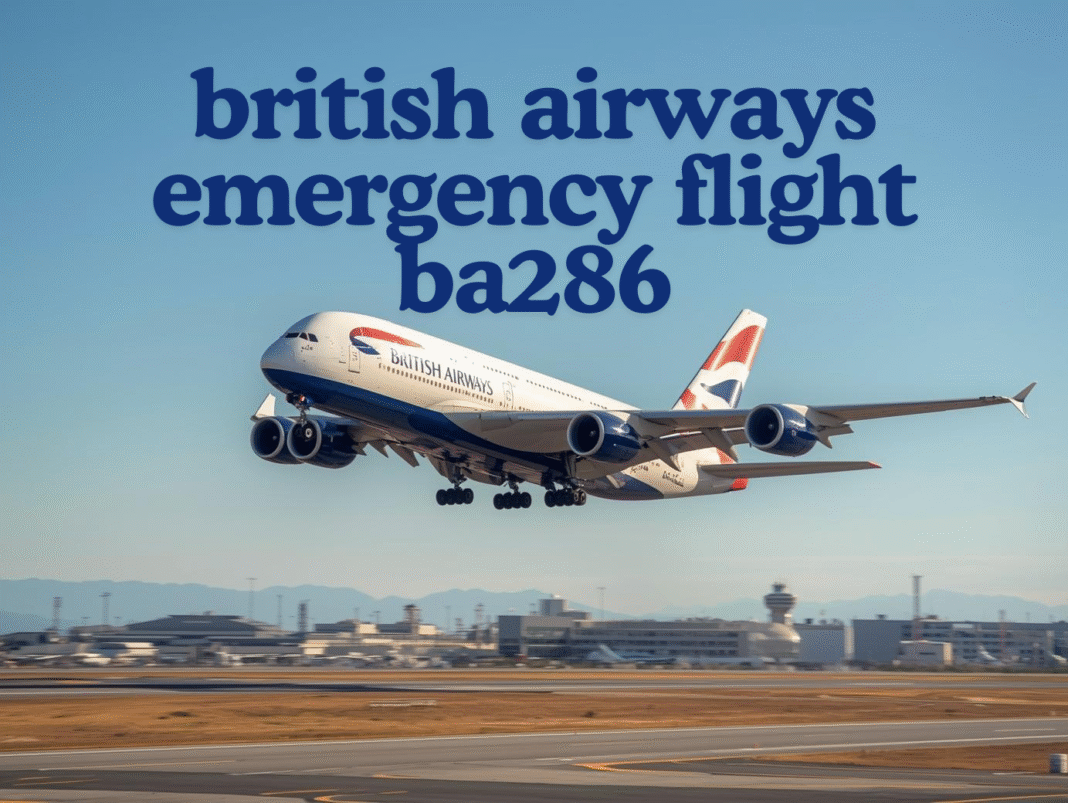
On May 27, 2025, British Airways flight BA286, operating an Airbus A380 registered as G-XLEG, made headlines when it declared a general emergency while en route from San Francisco International Airport (SFO) to London Heathrow Airport (LHR). The emergency prompted an unexpected diversion to Vancouver International Airport (YVR), ensuring the safety of all passengers and crew on board. This incident highlights the rigorous safety protocols in modern aviation and the professionalism of airline staff during unforeseen situations.
Overview of Flight BA286
Flight BA286 is a regularly scheduled long-haul service connecting San Francisco and London, two major international hubs. On this particular day, the aircraft departed SFO on time and began its transatlantic journey with passengers expecting a routine flight. The Airbus A380, known as the world’s largest passenger airliner, provides a spacious and technologically advanced environment, ensuring comfort and safety.
However, midway through the flight, the crew identified a situation that required immediate attention. Declaring a general emergency, the pilots decided to divert the flight to Vancouver, a nearby airport capable of handling large aircraft like the A380. This decision reflects aviation best practices, where safety always takes precedence over schedule adherence.
The Emergency Situation
The exact details of the emergency onboard BA286 were linked to a medical issue affecting crew members. According to reports, some flight attendants and possibly passengers experienced health-related complications that required urgent medical evaluation. While the exact nature of the illness was not publicly disclosed, the aircraft’s swift diversion ensured that everyone received timely medical attention upon landing.
Airlines often face such in-flight emergencies, and crew members are trained extensively to handle them. The decision to declare a general emergency triggers a series of safety protocols, including immediate communication with air traffic control, preparation for a safe landing, and coordination with local emergency services at the diversion airport.
Landing at Vancouver International Airport
BA286 safely landed at Vancouver International Airport (YVR) without incident. Emergency medical services and airport personnel were ready to assist as soon as the aircraft touched down. Reports indicate that the passengers and crew received prompt medical attention and were evaluated on-site before being allowed to continue their journeys or receive further care.
Vancouver International Airport is one of Canada’s busiest airports and is fully equipped to handle emergency diversions, including those involving large aircraft such as the Airbus A380. The airport’s experience with international flights ensured that the emergency landing proceeded smoothly and safely.
Passenger Experience During the Emergency
Passengers on board BA286 praised the professionalism of the flight crew. The cabin crew remained calm and provided clear instructions, ensuring that passengers remained informed throughout the incident. Transparency during emergencies is critical, as it reduces panic and helps maintain order inside the aircraft.
Many passengers documented their experiences via social media, highlighting the crew’s quick action, clear communication, and the orderly handling of the situation. While an unexpected diversion can be stressful, the passengers’ safety was clearly prioritised, reinforcing confidence in British Airways’ emergency procedures.
Response from British Airways
Following the incident, British Airways issued an official statement confirming the diversion and emphasising that all passengers and crew were safe. The airline expressed gratitude to the Vancouver airport staff and emergency responders for their prompt support.
British Airways has a long-standing reputation for aviation safety and emergency preparedness. Events like the BA286 diversion demonstrate how airlines continuously train staff to handle emergencies, including medical situations, technical issues, or unexpected hazards during flight.
Historical Context of In-Flight Emergencies
While incidents like BA286 are uncommon, commercial aviation has a history of emergency diversions for various reasons, including medical emergencies, technical issues, or adverse weather conditions. The aviation industry maintains strict regulations and rigorous training to ensure such situations are managed effectively.
Modern aircraft, such as the Airbus A380, are equipped with advanced medical kits, communication systems, and redundant safety mechanisms to assist the crew in emergencies. Pilots undergo extensive training for diversion procedures, which involve identifying the nearest suitable airport, coordinating with air traffic control, and ensuring passenger safety during landing.
Importance of Airline Safety Protocols
The BA286 emergency highlights the critical importance of safety protocols in commercial aviation. Some key elements include:
- Crew Training: Flight attendants and pilots undergo continuous training to manage emergencies, including medical situations and technical failures.
- Aircraft Preparedness: Aircraft carry medical kits, defibrillators, oxygen masks, and other safety equipment to address emergencies in-flight.
- Communication with Airports: Pilots communicate with ground control and diversion airports to ensure emergency services are ready on arrival.
- Passenger Safety: Instructions from crew members and adherence to protocols are crucial for minimising risks and ensuring calm during emergencies.
What Passengers Can Learn from BA286
For travellers, the BA286 incident serves as a reminder of the unpredictability of air travel. While flying remains one of the safest modes of transportation, passengers need to be aware of:
- The importance of following crew instructions during emergencies.
- Being prepared for possible diversions due to medical or technical issues.
- Trusting the airline’s emergency response procedures.
Passengers can also take proactive steps, such as keeping essential medications in carry-on luggage and remaining aware of their surroundings during flights.
Aftermath and Flight Continuation
After medical evaluations and ensuring the safety of all on board, British Airways arranged for alternative transportation for passengers to reach London Heathrow. The airline coordinated rebooking flights and accommodations as needed, minimising disruption to passengers’ travel plans.
The aircraft itself underwent necessary inspections before resuming service, in line with standard aviation safety protocols. This ensures that the aircraft remains fully operational and safe for future flights.
Conclusion
The diversion of British Airways flight BA286 to Vancouver demonstrates the airline’s commitment to passenger and crew safety. Emergencies in aviation, though rare, are handled with professionalism, efficiency, and strict adherence to safety protocols. The quick response by the flight crew, combined with the readiness of Vancouver International Airport, ensured that all on board were safe and received proper care.
Such incidents also remind travellers of the importance of remaining calm, following instructions, and understanding that airlines prioritise safety above all else. British Airways’ handling of the BA286 emergency reinforces its reputation as a reliable airline, capable of managing unexpected challenges efficiently.
FAQS
Why did British Airways flight BA286 divert to Vancouver?
Flight BA286 diverted due to a medical emergency affecting crew members onboard, requiring immediate attention and medical evaluation upon landing.
Was the Airbus A380 on BA286 affected by technical issues?
No technical issues were reported. The diversion was precautionary for medical reasons, and the aircraft operated safely throughout the flight.
How did passengers experience the emergency landing?
Passengers reported calm and professional handling by the crew, clear instructions, and timely updates, ensuring safety and minimising panic during the diversion.
What safety protocols do airlines follow during emergencies?
Airlines follow strict procedures, including declaring a general emergency, coordinating with air traffic control, preparing emergency services at the airport, and ensuring passenger safety.
What happened to the BA286 passengers after landing in Vancouver?
Passengers received medical evaluation, accommodations, and were later rebooked to continue their journey to London, while the aircraft was inspected before resuming service.


